
Using commas for emphasis in writing: A guide to stylistic punctuation

Commas do more than just separate items in a list; they control the rhythm of your sentences, telling the reader when to pause. While standard grammar often dictates where a comma must go, using a comma for emphasis is a stylistic choice that creates a natural pause, highlighting key ideas and shifting the reader’s focus.
Mastering the “stylistic comma” helps your writing feel more conversational and persuasive. This technique is particularly effective in digital marketing, blog posts, and professional emails where tone is just as important as clarity.
Quick summary:
- Commas for emphasis create natural pauses and shift reader focus.
- Placement matters: Moving a comma around “please” changes the tone from urgent to polite.
- Avoid the “choppy” writing: Too many stylistic commas can hurt readability.
The writer’s toolkit
| Recommended tool | Purpose | Why every writer needs it |
| The Chicago Manual of Style | The “Grammar Bible” | The absolute authority for commas and formal style. |
| Blue Sky Academic Planner | Physical writing | Essential for mapping out drafts and tracking progress. |
| Paperwhite Kindle | Reading and research | Best for reading aloud your drafts without screen glare. |
When commas add emphasis naturally
A well-placed comma slows the reader down, drawing attention to words that might otherwise be overlooked. Consider how a simple pause can shift the entire weight of a sentence.
Common areas for strategic comma placement include:
- After introductory words: Phrases like “honestly,” “well,” or “actually” set the stage for what follows.
- Around interrupters: Parenthetical thoughts or “asides” add flavor to the main point.
- Polite insistence: Placing a comma around “please” or “thank you” can change a command into a warm request.
- Rhetorical repetition: Using commas between repeated adjectives to stress intensity.
Comparison of stylistic comma usage for reader impact
| Scenario | With emphasis comma | Without emphasis comma | Impact of adding the comma |
| Polite request | “Please, finish the report.” | “Please finish the report.” | Softens the tone; adds courtesy. |
| Contrast/Transition | “The goal, however, is clear.” | “The goal however is clear.” | Highlights the shift in logic. |
| Direct address | “Team, please review this.” | “Team please review this.” | Commands immediate attention. |
| Intensive repetition | “A long, long journey.” | “A long long journey.” | Increases the perceived duration. |
| Conversational pause | “Well, that’s one way to do it.” | “Well that’s one way to do it.” | Mimics natural human speech. |
How to use a comma before or after “please”
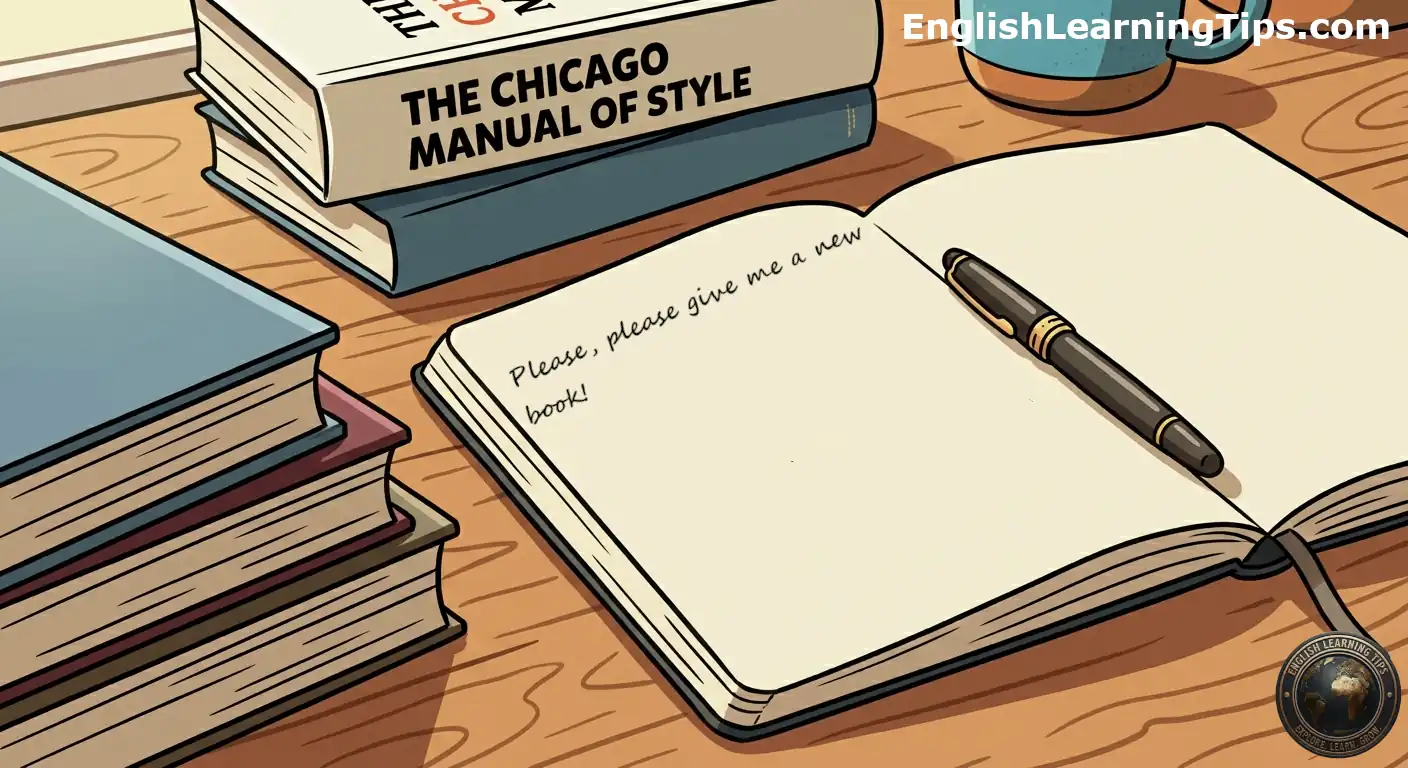
The word “please” is one of the most common places writers use commas for rhetorical effect. The placement of the punctuation significantly alters the “voice” of the sentence:
- At the beginning: “Please, help me understand.” (Creates a gentle, pleading pause.)
- In the middle: “Can you, please, review this?” (Frames the word for maximum polite emphasis.)
- At the end: “Send the file, please.” (The standard comma before a “please” tag at the end of a request.)
Without the comma, “Please help me” feels urgent and direct. Adding the comma slows the sentence down, making the request feel more thoughtful or formal.
Advanced comma strategies for better writing
Clean structure isn’t just about following rules; it’s about user experience. For physical books and essays, it controls the reader’s internal “voice.” For online writing, it keeps users engaged longer and reduces bounce rates, signaling to Google that your content is high-quality and worth ranking.
Beyond basic grammar, use these patterns to improve your “flow” and hold attention:
1. Introductory phrases for context
“After months of preparation, the project finally launched.” The comma here creates a brief “cliffhanger” effect. In a physical book, this builds suspense. In online copy, it prevents the reader from skimming too fast and missing the importance of your setup.
2. Emphasizing interrupters
“The results, surprisingly, exceeded our goals.”
By isolating “surprisingly,” you force the reader to acknowledge the emotion behind the data. This is a powerful tool for persuasive writing and storytelling, as it injects personality into an otherwise dry sentence.
3. Lists with rhetorical impact
“Clear goals, honest feedback, and consistent effort, these drive real progress.”
Using a comma before a concluding summary phrase (technically known as a resumptive summary or left-dislocation) provides a reflective pause. On paper, this emphasizes the finality of your point. Online, it creates a “micro-moment” of reflection that helps your core message stick.
Common pitfalls to avoid with stylistic commas
While commas are powerful, overusing them can lead to “choppy” prose that frustrates the reader. To maintain high-quality writing standards:
- Don’t separate subjects and verbs: Avoid “The manager, decided to wait,” as this breaks the logical flow.
- Check for clarity first: If a comma makes the sentence harder to understand, remove it.
- Respect the medium: Academic papers require stricter adherence to traditional rules, while marketing copy allows for more stylistic freedom.
Frequently asked questions: Commas and emphasis
Conclusion: Mastering the art of the emphasis comma
Punctuation directs how your audience feels and reacts to your message. By learning how to use commas for emphasis, you gain the ability to guide your reader’s breath and focus, turning static text into a dynamic conversation. While grammar rules provide the foundation, stylistic choices like the rhetorical comma give your writing its unique personality and persuasive power.
The next time you draft an email or a blog post, try reading it aloud. If a sentence feels too fast or a key word gets lost, experiment with a well-placed comma to create that perfect, natural pause.
Help others improve their writing
If you found these tips on stylistic punctuation helpful, please share this article with your colleagues or on social media. Helping others master the nuances of grammar not only improves professional communication but also builds a more engaged community of writers. Do you have a favorite comma trick? Let us know in the comments below!
Discover more from English Learning Tips
Subscribe to get the latest posts sent to your email.


