
How to talk about stress in English: Essential vocabulary and phrases

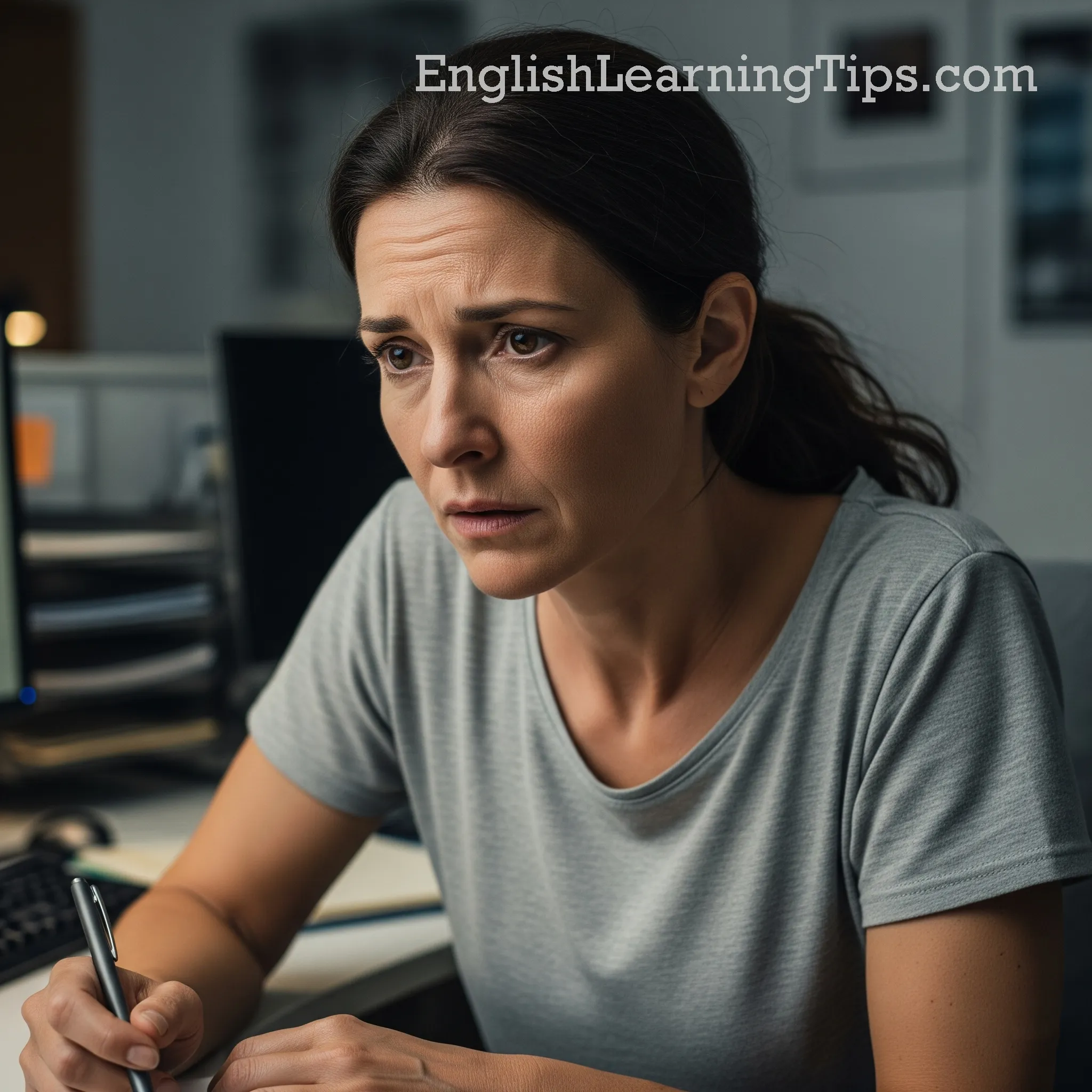
Stress is a part of life that everyone experiences, whether it’s from school, work, or daily challenges. If you are an adult learner, you likely have to balance school, learning English, work, family, and your social life. This can be very stressful.
For ESL students, learning how to talk about stress in English can help them express their feelings and understand others better. In this article, we’ll explore key vocabulary words like “stressed,” “anxiety,” and “cope” that describe stress and how to manage it. By learning these words, you can share your experiences and find ways to feel calmer.
Essential stress vocabulary for ESL students
Understanding the nuance between these common terms will help you communicate exactly how you feel.
| Word/Phrase | Part of speech | Definition |
| Stress | Noun | A state of mental or emotional strain caused by demands. |
| Stressed | Adjective | Feeling nervous or worried due to pressure. |
| Stressful | Adjective | Causing feelings of strain or pressure. |
| Anxiety | Noun | A persistent feeling of unease or nervousness. |
| Overwhelmed | Adjective | Feeling that you have too much to handle. |
| Burnout | Noun | Physical or mental exhaustion due to prolonged stress. |
| Cope | Verb | To effectively deal with or manage a difficult situation. |
Many learners find that keeping a stress ball or tactile fidget toy on their desk helps them maintain focus and release physical tension while studying or working.

Advanced English phrases to describe pressure
Sometimes, a single word isn’t enough to capture the gravity of a situation. Use these phrases to add depth to your English speaking:
- Under duress: Experiencing severe pressure, often because you are forced to do something against your will.
- Emotional toll: The negative impact a situation has on your mental health or feelings.
- Frazzled: Informal; feeling extremely exhausted and disorganized from stress.
- Blow off steam: To release built-up stress or frustration through physical activity or hobbies.
- Mental fatigue: A state of cognitive exhaustion caused by long periods of focus or overthinking.
Pro-tip: If you often feel this after long study sessions, some learners use a light therapy lamp to boost energy or a soothing herbal tea variety pack to create a calming ritual.
How to use stress vocabulary in conversation
We experience stress in many parts of our lives, from school, the workplace, and life in general. Here are some general conversations to help you see how we might put these words into use.
Conversation 1: School stress
Characters: Maria (student), Ahmed (friend)
Setting: At school, during a break.
Maria: Ahmed, I’m so stressed about our final exams! I feel overwhelmed with all the studying.
Ahmed: I know, exams are really stressful. Have you been able to relax at all?
Maria: Not really. I’m so frazzled from staying up late to study. It’s taking an emotional toll on me.
Ahmed: Maybe you should blow off steam. Why don’t we go for a walk after school to cope with the pressure?
Maria: That’s a good idea! A walk might help me feel calm. Thanks for listening, Ahmed.
Ahmed: No problem! I feel anxiety before exams, too, but talking helps.
Conversation 2: Workplace stress
Characters: Sarah (employee), John (colleague)
Setting: In the office, during lunch.
Sarah: John, this project deadline is so stressful. I’m working under duress because the boss wants it done by tomorrow!
John: That sounds tough. Are you feeling stressed?
Sarah: Yes, I’m totally frazzled. The pressure is giving me mental fatigue.
John: You need to cope better. Do you do anything to relax?
Sarah: Sometimes I blow off steam by watching movies after work. It helps me feel calm.
John: Good idea. Maybe take a break to avoid burnout. Let’s grab coffee later to chat more.
Sarah: Sure, that might help lighten the emotional toll of this week!
Conversation 3: Personal life stress
Characters: Lisa (friend), Tom (friend)
Setting: At a café, catching up.
Lisa: Tom, I’ve been so stressed lately. Moving to a new apartment is taking an emotional toll on me.
Tom: I bet that’s stressful. Are you feeling overwhelmed?
Lisa: Yes, I’m frazzled from packing and organizing everything. I haven’t had time to relax.
Tom: You should find a way to blow off steam. How do you usually cope with stress?
Lisa: I like yoga. It helps me stay calm and reduces my anxiety.
Tom: That’s great! I get mental fatigue from work, so I go hiking to feel better.
Lisa: Maybe I’ll try hiking too. Thanks for the idea, Tom!
Conversation 4: Stress with children
Characters: Emma (parent), David (friend)
Setting: At a park, watching their kids play.
Emma: David, I’m so stressed about dealing with the kids lately. Parenting is taking a huge emotional toll on me.
David: I understand. Raising kids can be really stressful. Are you feeling overwhelmed?
Emma: Yes, I’m totally frazzled! The kids’ schoolwork and tantrums give me mental fatigue.
David: That sounds tough. How do you cope with all the pressure?
Emma: I try to relax by reading a book after they go to bed. It helps me feel calm.
David: That’s a good idea. I blow off steam by playing soccer with my son. It reduces my anxiety.
Emma: Nice! Maybe I’ll try playing with the kids to avoid burnout. Thanks, David.
David: Anytime, Emma. Parenting is hard, but we’re not under duress all the time, right?
Frequently asked questions (FAQs) about stress
Mastering your English: Turning feelings into conversation
Learning how to talk about stress is more than just memorizing a vocabulary list; it is a vital step in becoming a confident, fluent English speaker. By moving beyond simple descriptions and using terms like “frazzled,” “mental fatigue,” or “emotional toll,” you gain the ability to express your needs and connect more deeply with the people around you. Language is meant to be shared, and discussing your experiences is the fastest way to bridge the gap between “knowing” the words and “living” them in your daily life.
Join the conversation: Share your experience
We want to hear from you. Everyone experiences stress in different ways, and sharing your own techniques for managing it can help someone else in our learning community.
- What is one phrase or technique you use to stay calm when you feel overwhelmed? * Have you ever found it difficult to explain your stress to a native speaker? Leave a comment below to share your story or ask a question. If you found this guide helpful for your English journey, please share it with a friend or colleague who might be looking for ways to express their feelings in English.
For further learning, see the article about “Workplace stress“. For those interested in the linguistic and psychological aspects of professional communication, read this guide on managing stress in the workplace from the Mayo Clinic.
Resources for managing stress
If you are currently feeling overwhelmed, these authoritative sources offer strategies for managing mental health:
Discover more from English Learning Tips
Subscribe to get the latest posts sent to your email.


