
Prepositions for giving directions: A complete guide for clear navigation

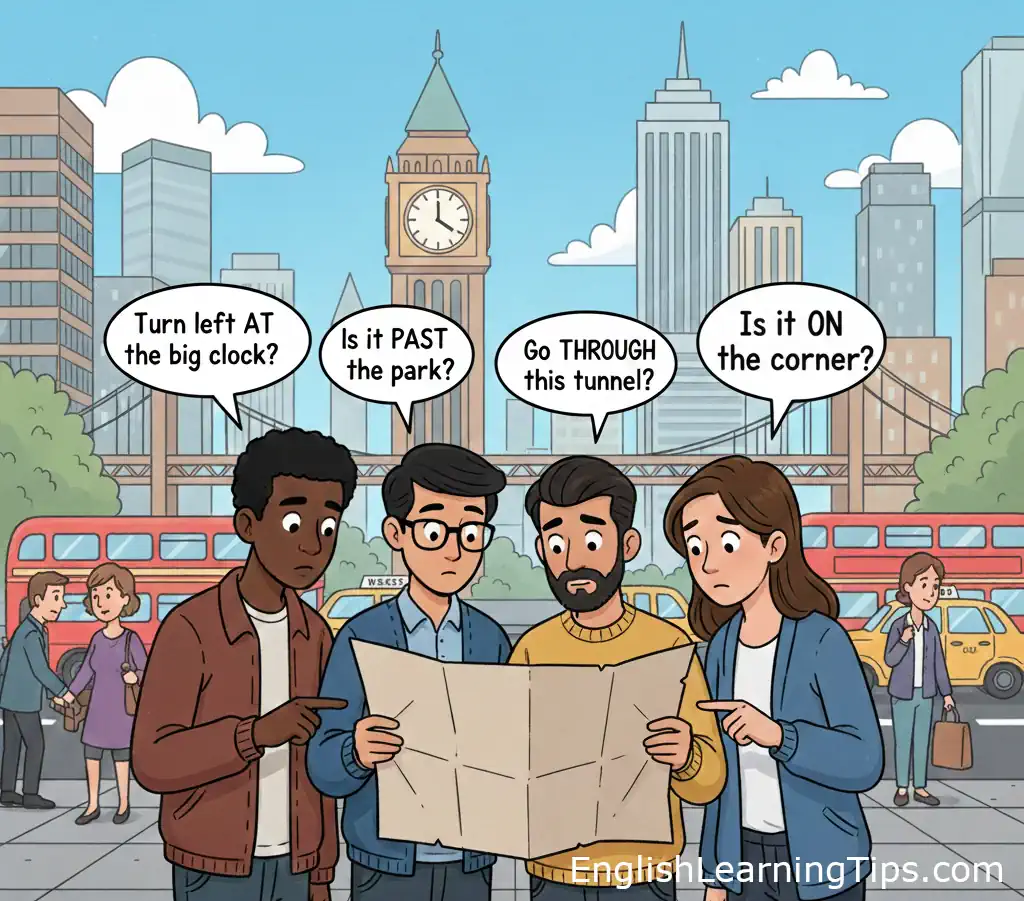
Navigating the world around us is a fundamental part of daily life, yet giving clear and effective directions remains an art form. Whether you are guiding a friend to a hidden gem of a restaurant or helping a tourist in an unfamiliar city, using the correct prepositions of movement and place is essential.
The ability to provide concise, actionable instructions can make all the difference. In this guide, we explore the most common prepositions for giving directions, how to use them in sentences, and tips for being understood every time.
Quick summary: To give great street directions in English grammar, use movement prepositions (through, across, along) to show action and place prepositions (at, on, next to) to show location. Always use landmarks to provide context.
Common prepositions for directions and movement
Prepositions for directions typically indicate location, orientation, or movement relative to a landmark. Below is a breakdown of the essential terms you need to master.
List of essential direction prepositions
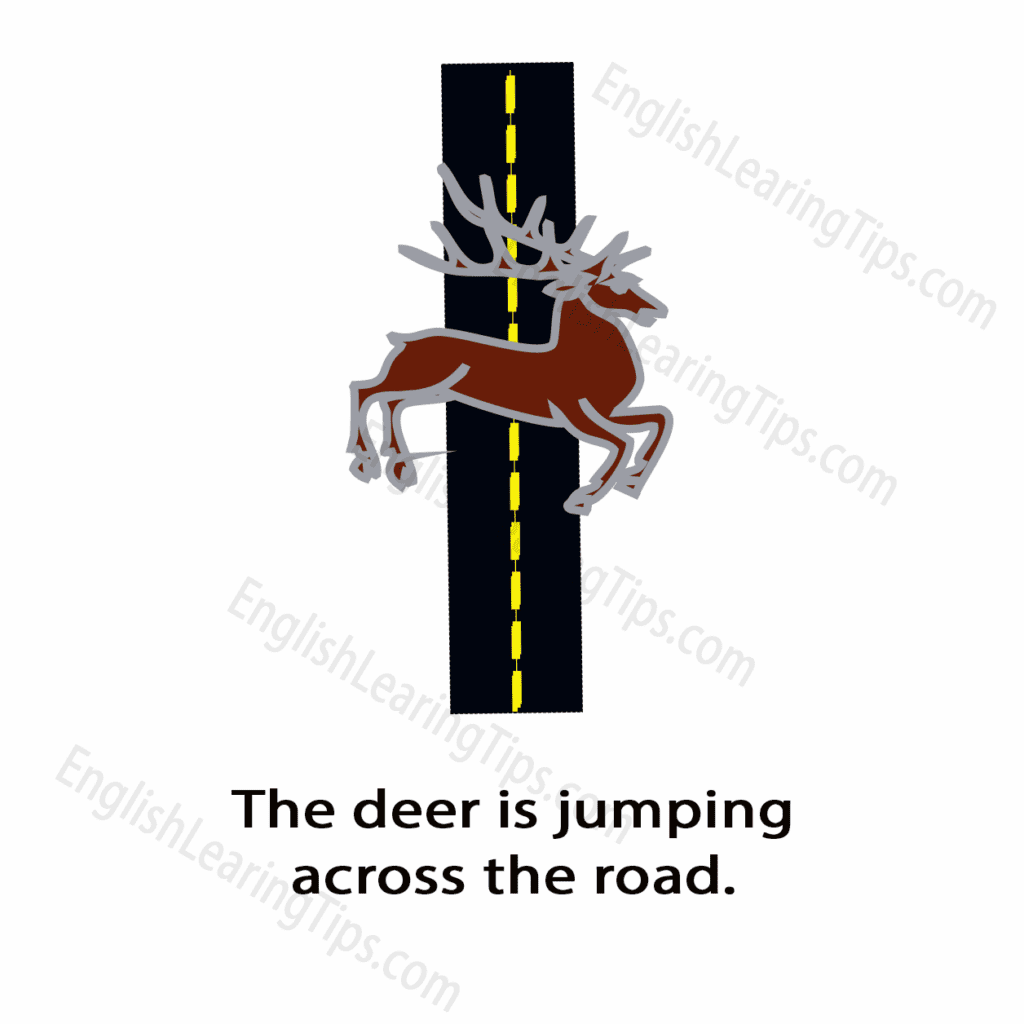
- Across: Moving from one side to the other (e.g., “Walk across the bridge”).
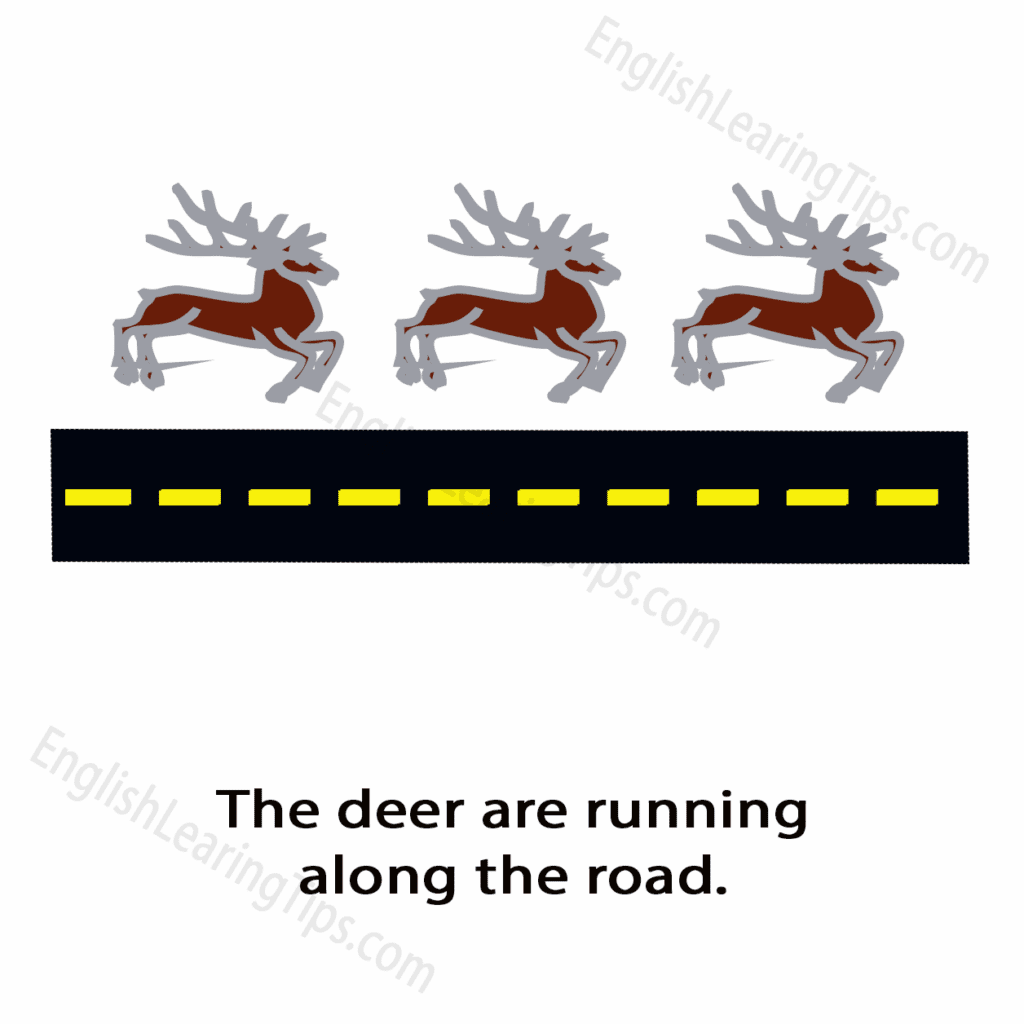
- Along: Following a line or path (e.g., “Go along the main road”).
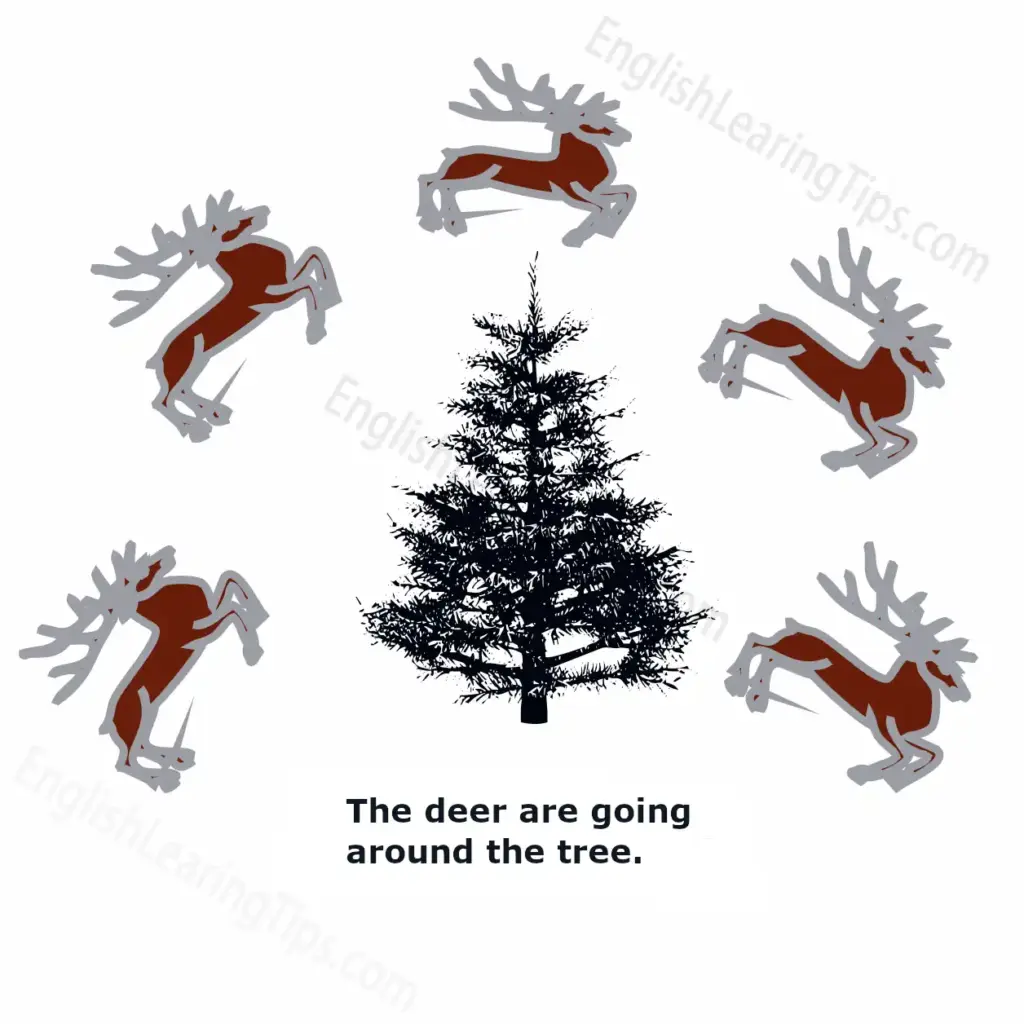
- Around: Moving in a circle or bypassing an object (e.g., “Go around the roundabout”).
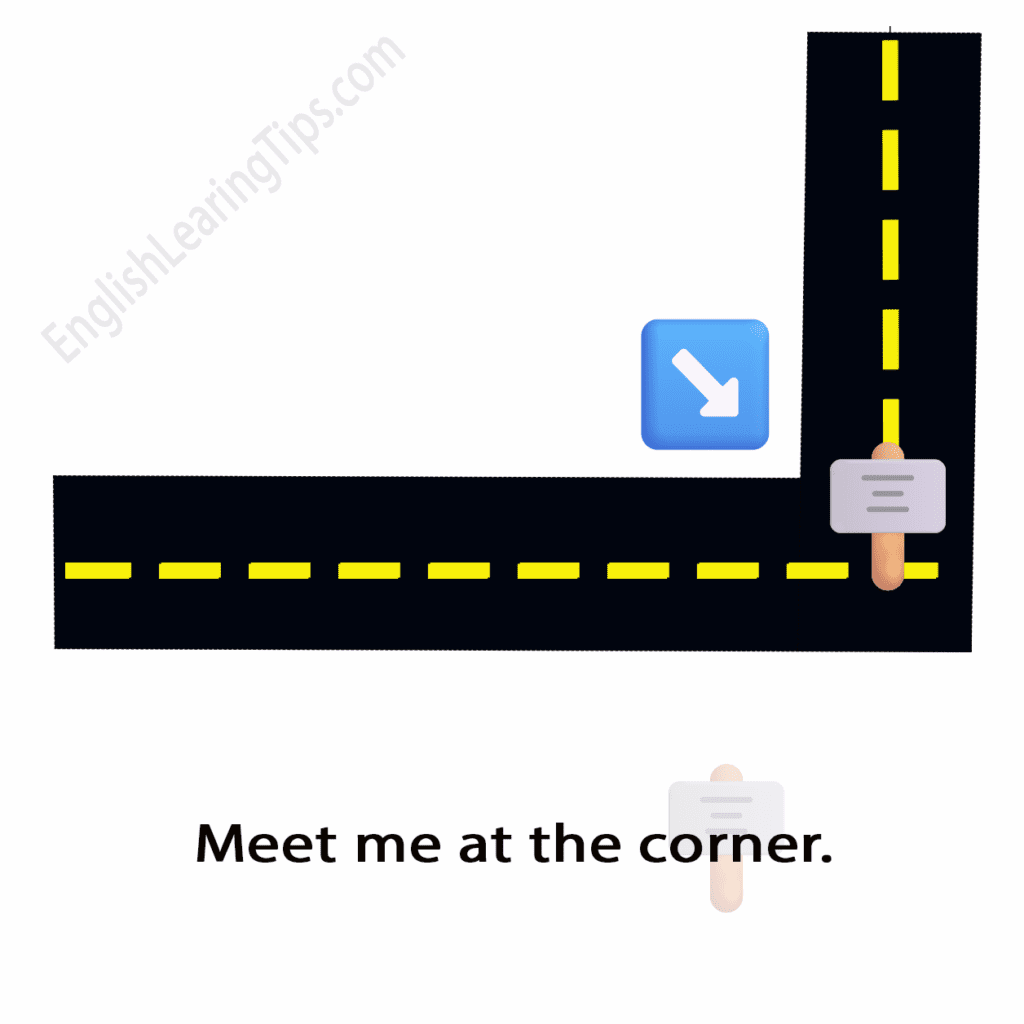
- At: Describing a specific point (e.g., “Turn left at the traffic lights”).
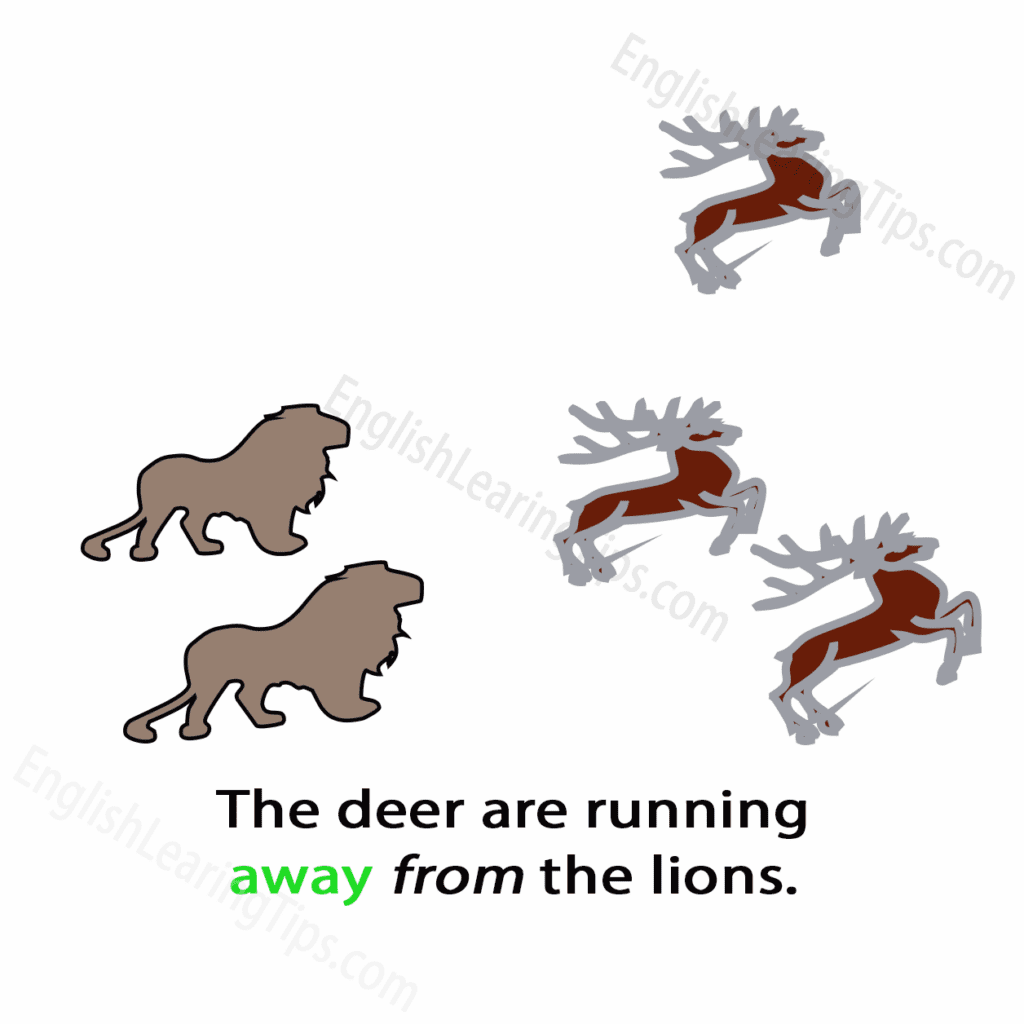
- Away (from): Increasing the distance from a point (e.g., “Move away from the entrance”).
- Down/Up: Moving along a slope or simply further along a street (e.g., “Go down the hill”).
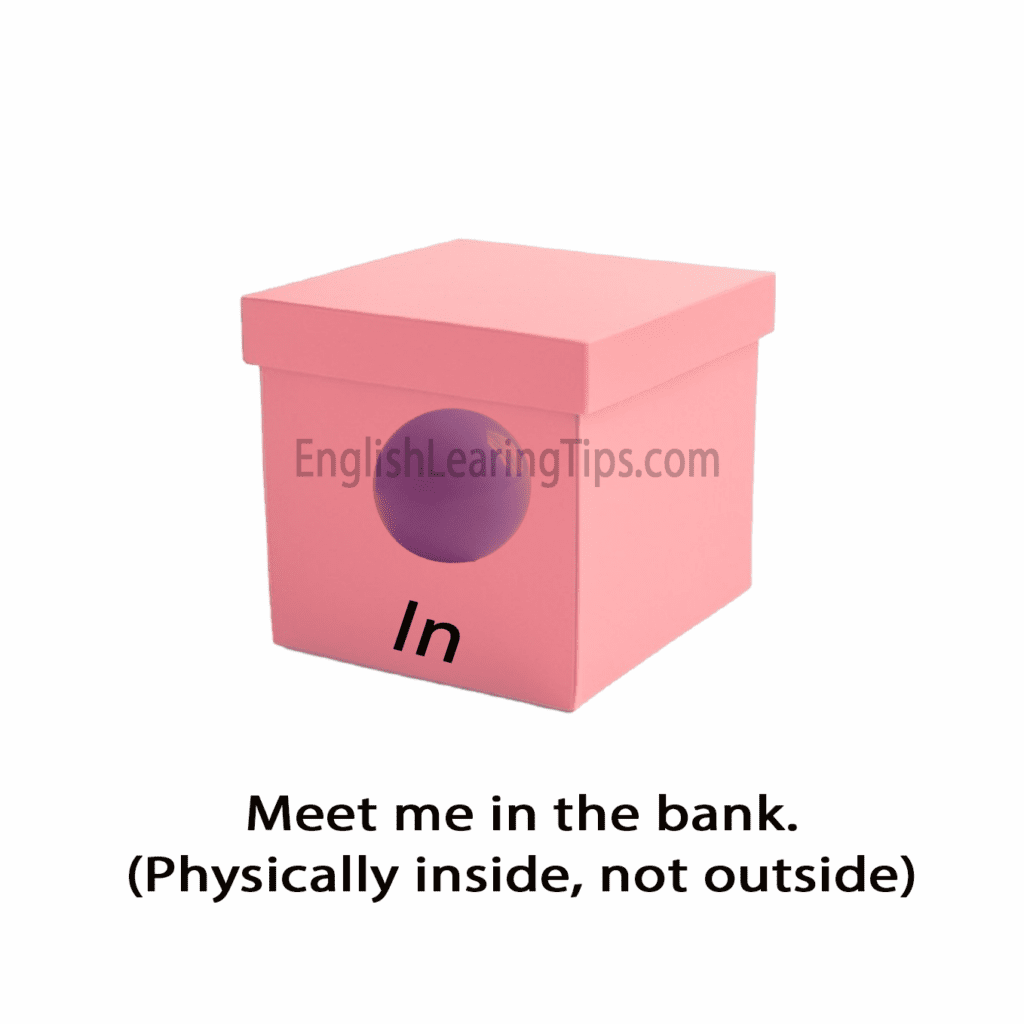
- In/Into: Entering an enclosed space (e.g., “Go into the building”).
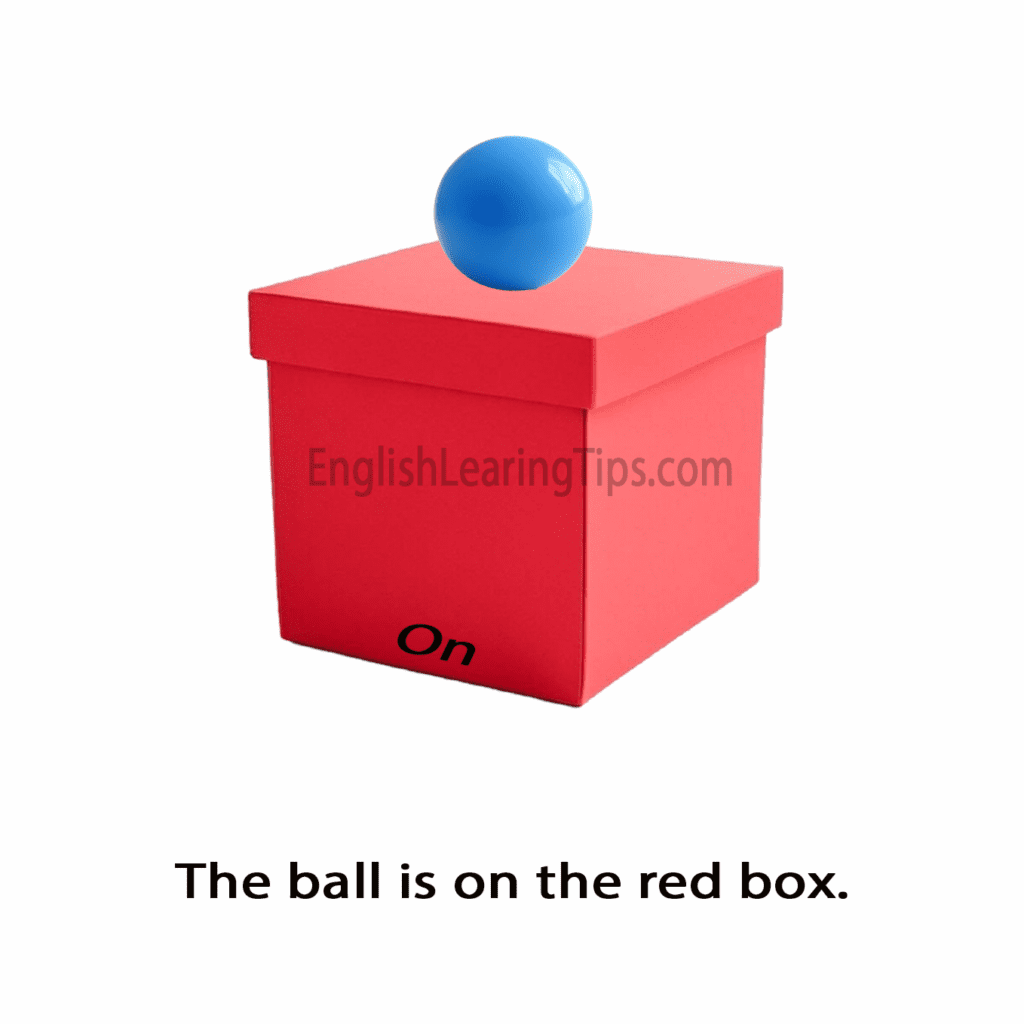
- On: Positioning on a surface or street name (e.g., “It is on 5th Avenue”).
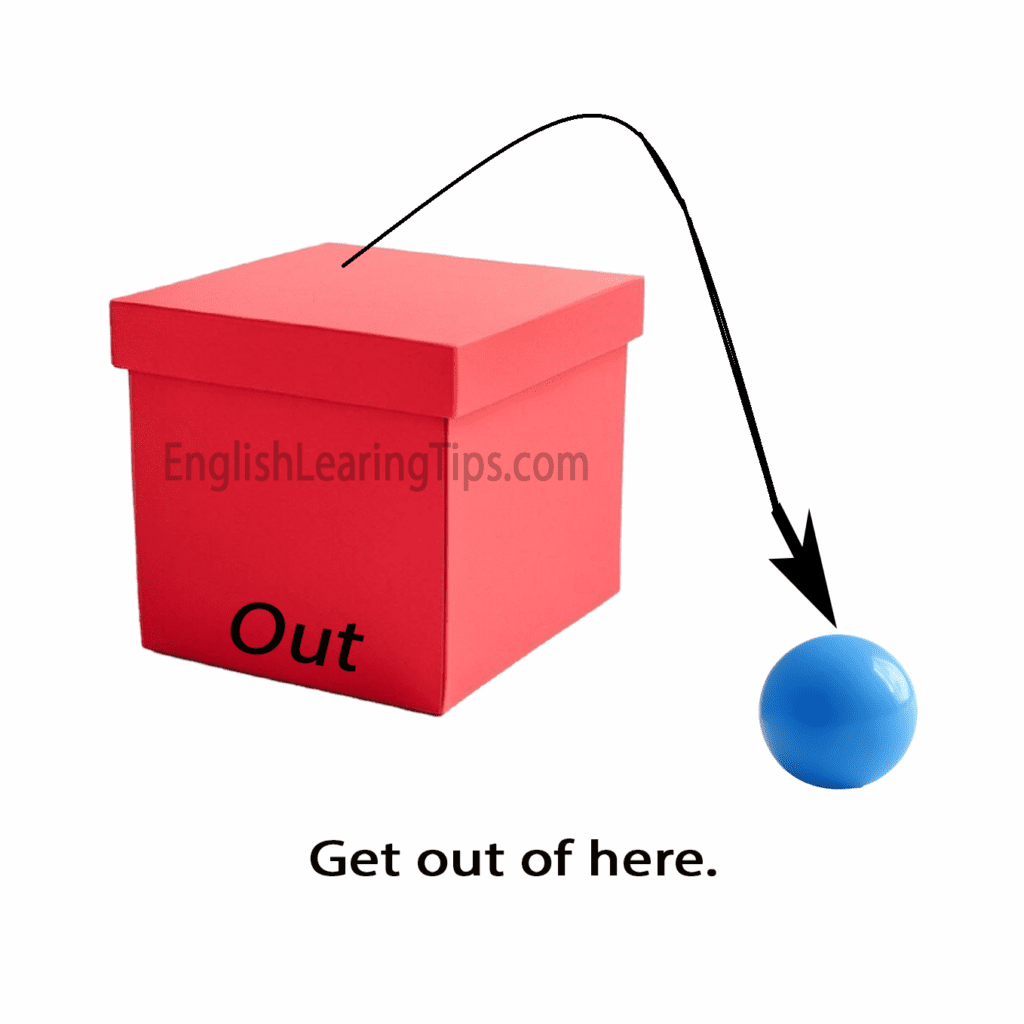
- Out (of): Leaving an enclosed space (e.g., “Exit out of the station”).
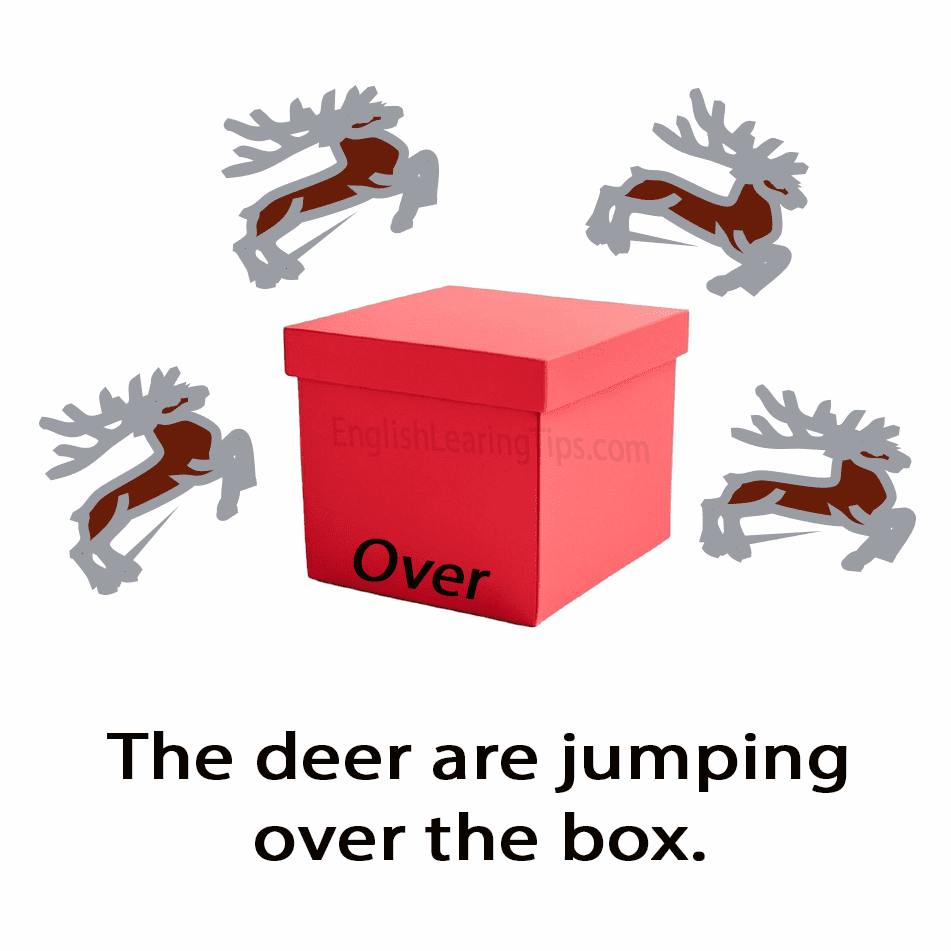
- Over: Moving across something higher than the ground (e.g., “Go over the flyover”).
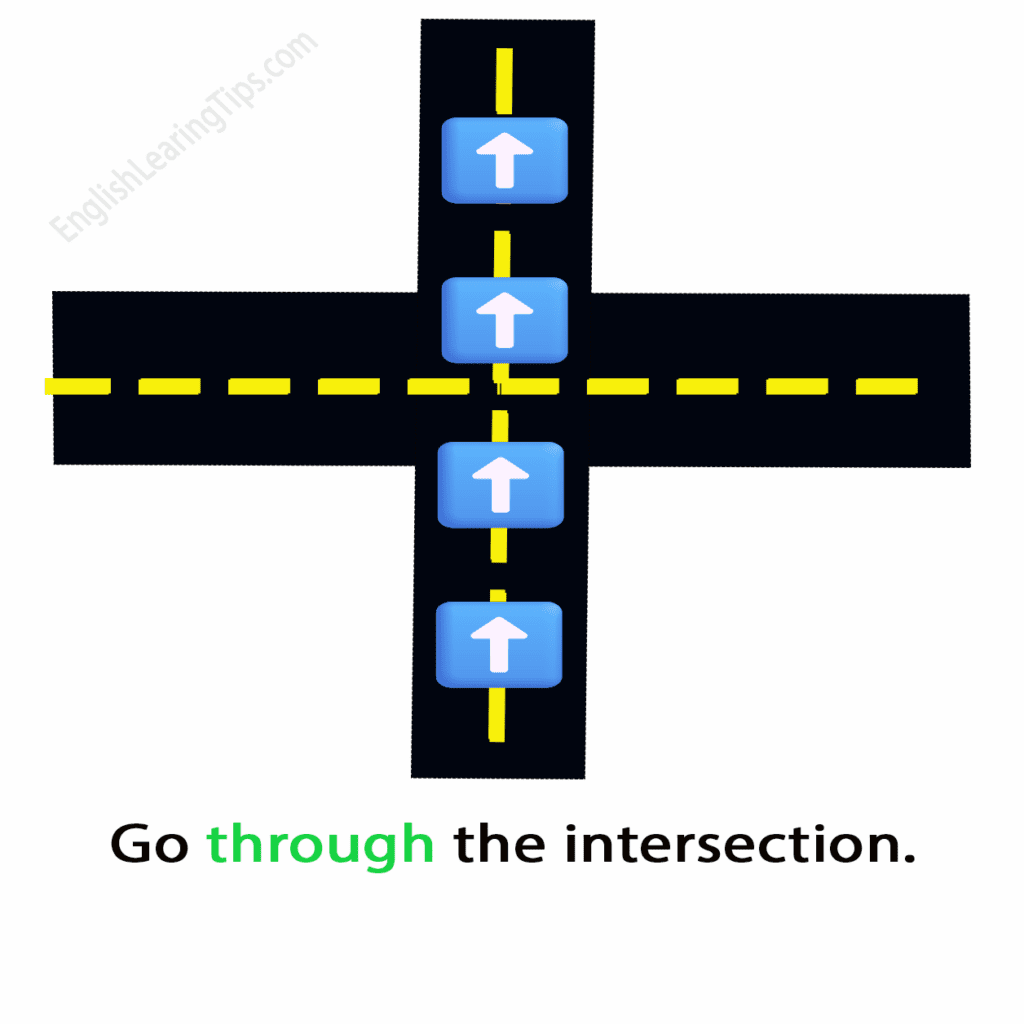
- Through: Moving within a confined space from one end to the other (e.g., “Drive through the tunnel”).
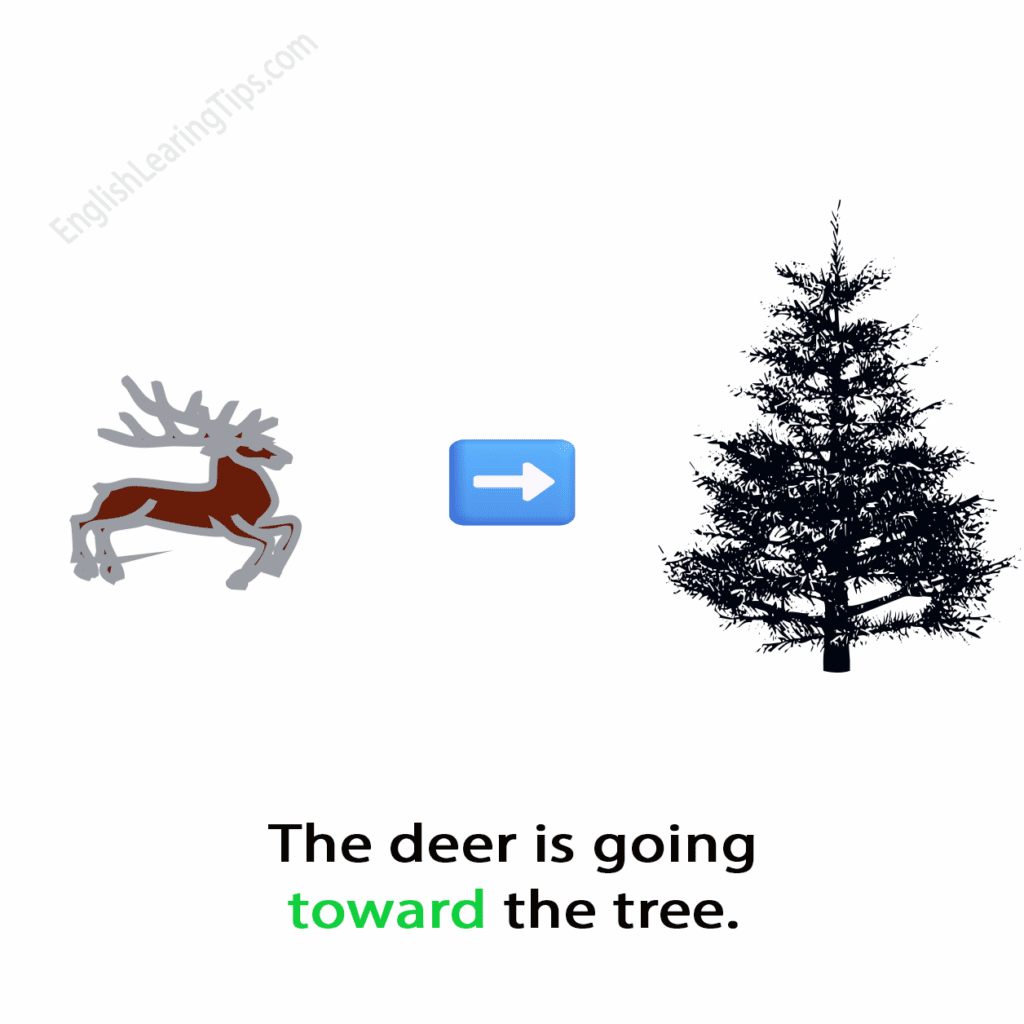
- Toward(s): Moving in the direction of something (e.g., “Walk towards the tall tower”).
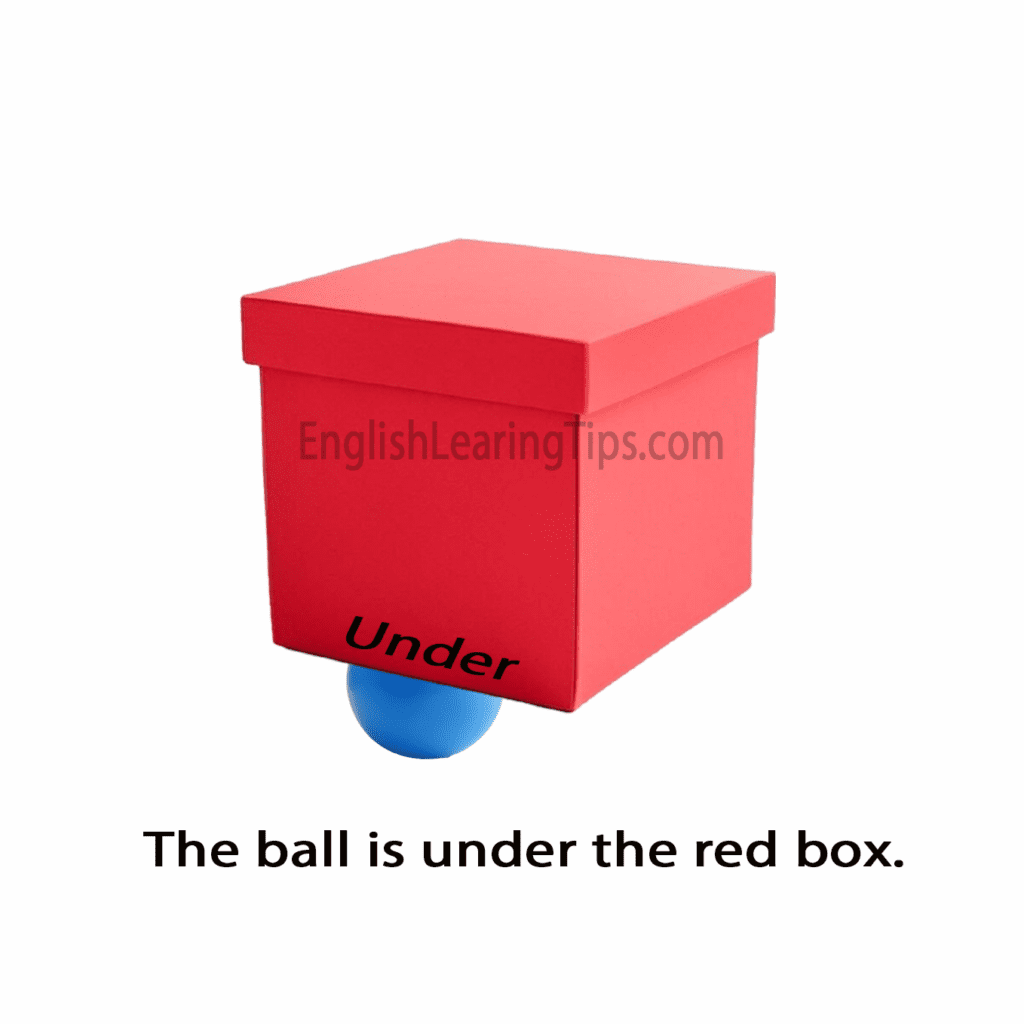
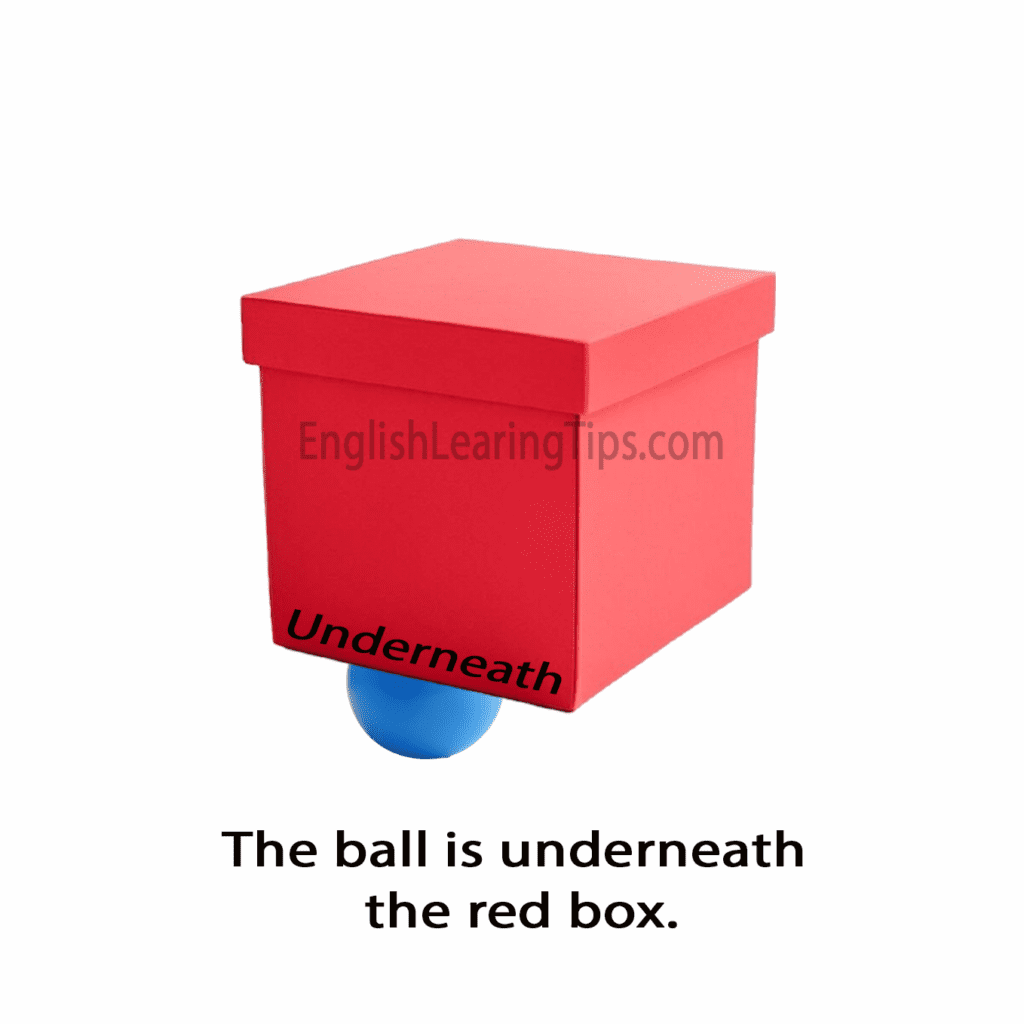
- Under/Underneath: Moving beneath an object (e.g., “Go under the bridge”).
How to use prepositions in a sentence: Quick reference table
To help you give better directions as an ESL student, use this table to choose the right word based on the type of movement required.
| Preposition | Use case | Example sentence |
| Through | Enclosed spaces/tunnels | “Go through the park to save time.” |
| Across | Flat surfaces/roads | “The pharmacy is across the street.” |
| Past | Bypassing a landmark | “Walk past the bank and turn right.” |
| Between | Two distinct objects | “The shop is between the library and the cafe.” |
| Next to | Adjacent to something | “The station is next to the supermarket.” |
Master your prepositions: If you’re a student looking to move beyond the basics, working through a dedicated English Grammar in Use workbook can help these rules become second nature.
Visual guide: Understanding prepositions of movement


Tips for giving clear directions to others
Providing directions isn’t just about the words; it’s about the sequence. To ensure your guidance is understood:
- Use landmarks: People find “the big red building” or “the gas station” easier to spot than “200 meters ahead.”
- Keep it simple: Avoid overly complex sentences. Use “Go straight,” then “Turn left.”
- Use imperative verbs: Start your sentences with actions like “Walk,” “Turn,” “Cross,” or “Follow.”
- Confirm understanding: Ask, “Does that make sense?” or have them repeat the route back to you.
Common errors to avoid when giving directions
Even with a good vocabulary, it is easy to trip up on the nuances of English prepositions. Avoiding these common mistakes will make your directions sound more natural and prevent confusion.
- Using “to” instead of “at”: Don’t say “Turn left to the traffic light.” Instead, use “Turn left at the traffic light.” “At” indicates the specific point where the action happens.
- Confusing “across” and “through”: You walk across a flat area (like a street or a parking lot), but you go through a 3D space (like a tunnel, a park with trees, or a doorway). This distinction is a key part of prepositions of movement in English grammar.
- Misusing “on” for corners: While we say “The shop is on the corner,” we usually tell someone to “Turn at the corner.”
- Overusing “go”: To be more precise, replace “go” with specific movement prepositions. Instead of “Go the bridge,” say “Cross over the bridge” or “Go across the bridge.”
Frequently asked questions: Navigating with prepositions
Practice exercises: Mastering prepositions for directions
To solidify your understanding of how these prepositions work in real-world scenarios, try completing the exercises below. These are designed to mimic the way native speakers provide instructions.
Exercise 1: Fill in the blanks
Choose the most appropriate preposition from the list (across, through, past, along, at) to complete the directions.
- Walk __________ the hallway until you reach the glass doors.
- Turn right __________ the second set of traffic lights.
- Go __________ the tunnel, and the stadium will be on your left.
- If you walk __________ the post office, you’ve gone too far.
- Carefully step __________ the busy street to reach the park.
- Walk along the hallway until you reach the glass doors.
- Turn right at the second set of traffic lights.
- Go through the tunnel, and the stadium will be on your left.
- If you walk past the post office, you’ve gone too far.
- Carefully step across the busy street to reach the park.
Dialogue script: Asking for and giving directions
Here is a practical example of how these prepositions appear in a natural conversation. You can use this template to practice your speaking skills or as a guide for writing navigation instructions.
- Person A: “Excuse me, could you tell me how to get to the Central Library?”
- Person B: “Certainly! From here, walk along this road for about two blocks. When you get to the intersection with the fountain, turn left. Go past the coffee shop and walk over the small footbridge. The library is the large stone building between the museum and the city hall.”
- Person A: “So, go along the road, left at the fountain, past the coffee shop, and over the bridge?”
- Person B: “Exactly! You can’t miss it.”
Essential gear for clear navigation
Whether you’re a student or a world traveler, having the right tools makes following directions easier:
- For the Student: Oxford English Grammar Course – Great for practicing prepositions of place and movement.
- For the Traveler: Anti-Theft Crossbody Bag – Keeps your maps and phone secure while you’re focused on the road.
- For the Hiker: National Geographic Trails Illustrated Maps – Perfect for practicing “along,” “through,” and “over” in the great outdoors.
A video for visual learners
Conclusion: Master your navigation skills
Giving directions doesn’t have to be a source of stress. By mastering these essential prepositions and pairing them with clear landmarks, you can ensure that your instructions are always actionable and easy to follow. Whether you are navigating a bustling city or a quiet park, the right words act as a bridge between confusion and clarity.
Practice these terms often, and soon, providing directions will become second nature!
Join the conversation
Was this guide helpful? We’d love to hear from you!
- Have a question about a specific preposition?
- Got a tricky direction scenario you aren’t sure how to describe?
- Want more visual guides like this one?
Drop a comment below or sign up for our newsletter to get more English grammar tips and practical vocabulary guides delivered straight to your inbox!
Discover more from English Learning Tips
Subscribe to get the latest posts sent to your email.


