

How to master active recall: A proven guide for better memory

When you use active recall, you are not just studying—you are performing an intense cognitive workout. Decades of cognitive science demonstrate that this method—often called retrieval practice—leads to stronger long-term retention and higher exam scores compared to passive habits like highlighting or rereading.
Active recall is the gold standard for high-efficiency learning. However, it requires significant mental effort. To get the most out of your retrieval sessions, ensure you are practicing proper cognitive recovery and sleep—without that foundational rest, even the best active recall practice will yield diminishing returns.
What is active recall?
Active recall, or the “testing effect,” requires you to pull information out of your brain without looking at your source materials. This mental effort strengthens neural connections, making it significantly easier to retrieve facts, complex concepts, and answers during high-stakes exams.
Unlike passive study methods, which provide an illusion of familiarity, active recall forces your brain to work. By mimicking real test conditions, you move information from short-term memory into long-term storage.
Why active recall beats passive study
Passive techniques—such as rereading textbooks, watching lectures, or highlighting—often lead to a false sense of competence. You recognize the information, but you cannot explain it independently. Active recall solves this by ensuring you can generate answers from scratch. Here is why active recall creates a more efficient study routine:
- Long-term retention: Increases memory duration by strengthening cognitive pathways.
- Gap identification: Highlights exactly what you don’t know early in the study process.
- Reduced test anxiety: Makes the act of retrieval feel automatic rather than stressful.
- Proven performance: Studies indicate potential score improvements of 15–25% compared to passive reviewers.
Active recall vs. passive study: Quick comparison
| Feature | Active recall | Passive methods |
| Brain engagement | High (retrieval) | Low (recognition) |
| Long-term retention | 50–80% after one week | 10–30% after one week |
| Exam performance | Significant boost | Minimal gains |
| Time efficiency | High (less total time) | Low (requires constant rereading) |
Proven techniques to implement active recall
If you are looking for the best study methods for exams, you must prioritize retrieval over recognition. You do not need fancy tools to start, though they help. Integrate these methods to build a more effective study routine:
- Flashcards: Use digital tools like Anki or Quizlet to automate the timing of your reviews. If you prefer tactile study, a classic set of reusable ruled index cards paired with an index card storage box will keep your decks portable and clean.
- Practice questions: Complete past exams or end-of-chapter problems without peeking at your notes.
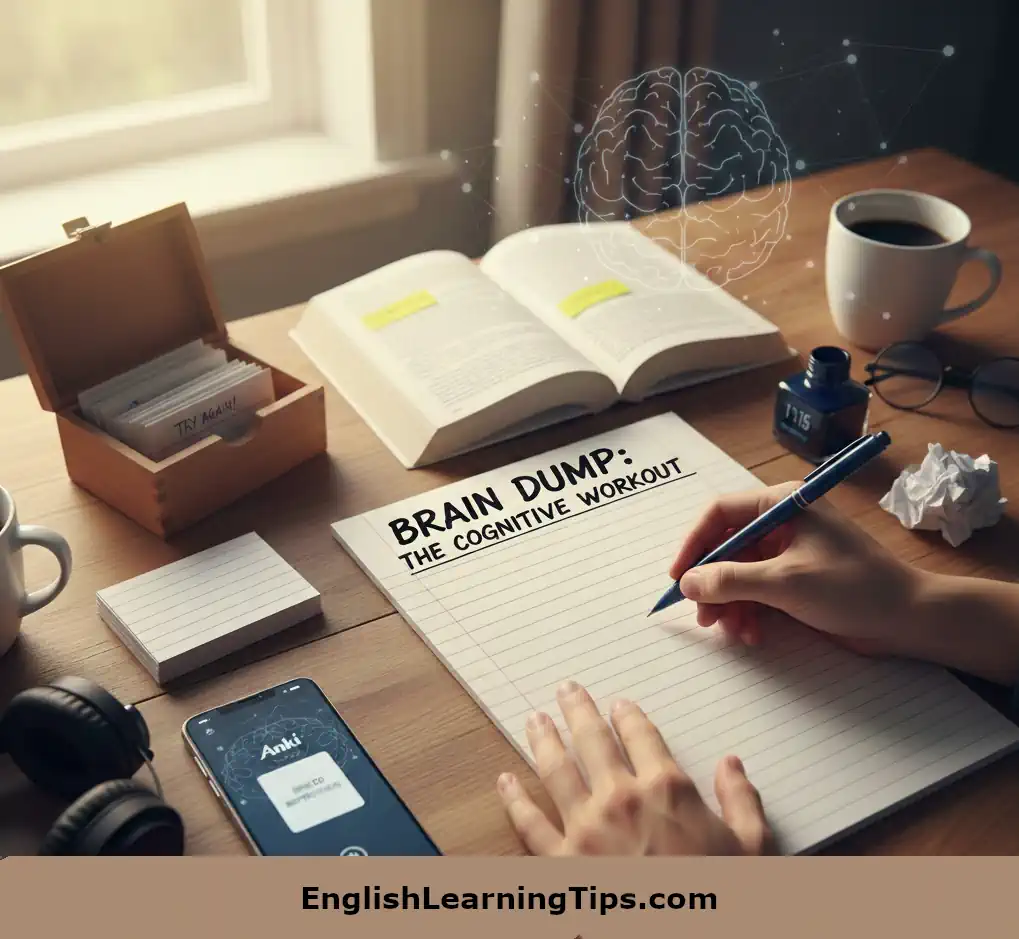
- The blurting method: After reading a section, close your books and write down everything you remember. Compare it against your source material to identify missing details. After reading a section, close your books and write down everything you remember. I recommend using a smooth-writing gel pen and a dedicated legal pad specifically for your brain dumps—treating it like a real, dedicated session adds a sense of formality to the practice
- The Feynman technique: Explain a concept out loud as if teaching a beginner. If you stumble, you have a gap in your knowledge.
- Cornell notes: Use the left-hand column to write prompts or questions and the right side for notes. Cover the notes and use the prompts to test yourself.
Tips for maximizing your study efficiency
- Understand first: Active recall is for reinforcing information, not learning it for the first time. Master the concepts, then switch to retrieval.
- Use spaced repetition: Combine active recall with spaced repetition (reviewing at increasing intervals) to effectively combat the natural forgetting curve to ensure information remains accessible long-term.
- Focus, don’t multitask: Give each retrieval session your full attention. High effort leads to high reward.
- Track your progress: Keep a log of your “stuck points” to prioritize them in your next session.
Focus, don’t multitask: Give each session your full attention. Many students find that using a dedicated study timer to strictly block off 10–15 minutes of pure retrieval time helps them stay disciplined and prevents the temptation to check their phone.
To truly master active recall, integrate it into a comprehensive study workflow:
- Use spaced repetition: Don’t just test yourself once. Use active recall to test yourself at increasing intervals to move information into long-term memory.
- Create mnemonic devices: If you hit a ‘mental block’ while trying to recall a difficult concept, use a mnemonic device to provide the initial hook, then switch back to pure active recall for future sessions
Frequently asked questions about active recall
Start your transformation today
Active recall is not just a study tactic; it is a fundamental shift in how your brain processes and stores information. While the initial effort is higher than passive reading, the long-term payoff—in both saved time and increased academic performance—is undeniable. By moving away from the illusion of familiarity and embracing the challenge of retrieval, you are actively building the neural architecture necessary for true mastery.
The best time to start is now, even if you only commit to one small technique for your next session.
Join the conversation
Have you experimented with active recall, or are you just getting started? We want to hear about your experience.
- Share your win: What is one topic you finally mastered after switching to active recall?
- Ask a question: Is there a specific subject where you are struggling to apply these techniques?
- Pass it on: If you found this guide helpful, share it with a friend or study partner who is still relying on passive rereading.
Leave a comment below and let us know your favorite retrieval technique—we read every single one!
Discover more from English Learning Tips
Subscribe to get the latest posts sent to your email.


