
Test your knowledge: The ultimate color idioms quiz

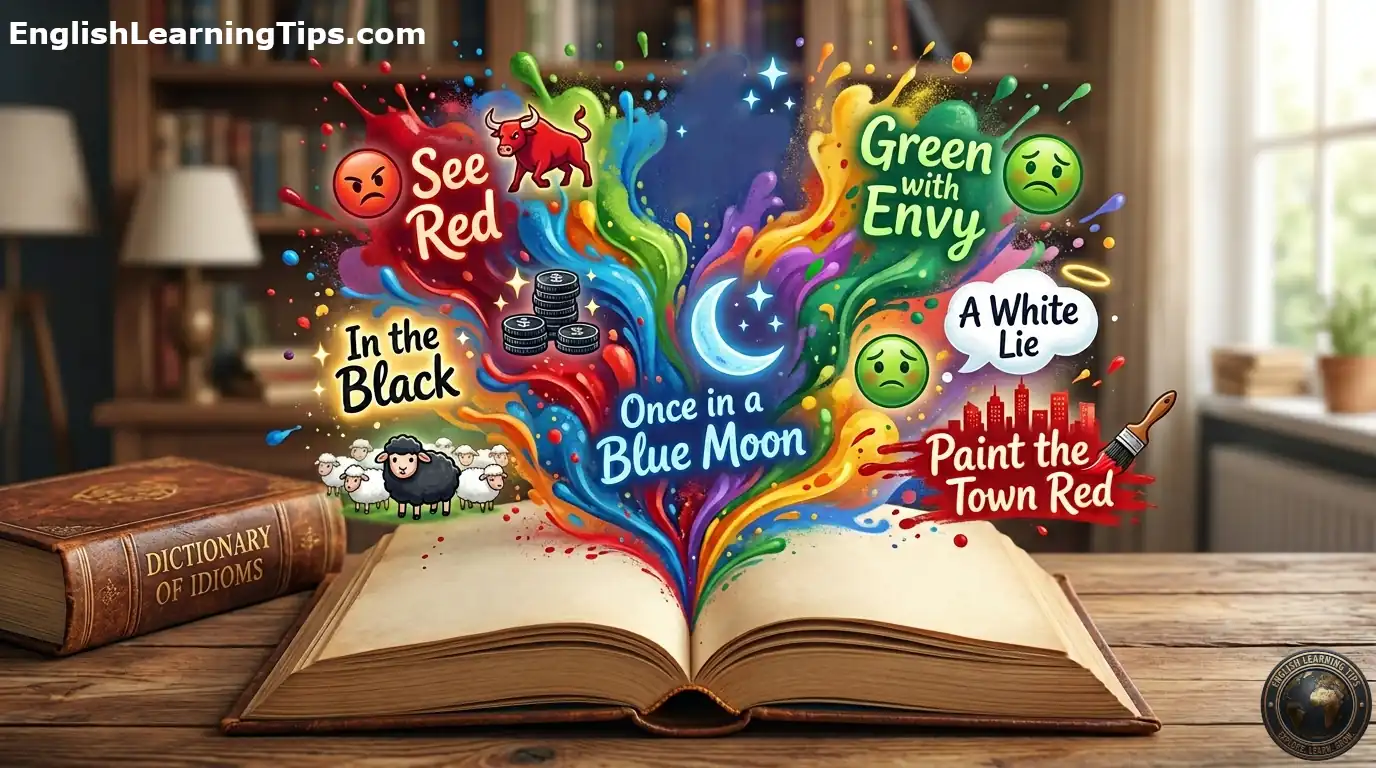
Mastering figurative language is a major milestone in achieving English language proficiency. Color idioms are some of the most common expressions used by native speakers to describe emotions, business status, and social situations.
Are you ready to see if you can pass with flying colors? This interactive quiz covers everything from financial terms to personality traits. Take the test below to challenge your vocabulary and improve your conversational English skills.
This idioms quiz is paired with our Color idioms in English: A guide to common expressions.
Color idioms quiz
How well do you know your English color expressions? Complete all 10 questions to find out!
What’s your score?
| Score | Status | Action |
| 0–4 | Beginner | Time to brush up on the basics! |
| 5–8 | Intermediate | You’ve got a great handle on common phrases. |
| 9–10 | Native level | You passed with flying colors! |
Did you know? The stories behind the colors
Understanding where these phrases come from makes them much easier to remember. Here are the origins of some of the most common color idioms:
The origin of red tape
In the 16th century, during the reign of Charles V, the Spanish government began using red cloth tape to bind important administrative folders. This practice spread to England and eventually became a symbol for any bureaucratic process that feels slow or overly complicated.
Why a blue moon is so rare
A “blue moon” isn’t actually blue. It refers to the second full moon in a single calendar month. Because this only happens once every two or three years, it became the perfect metaphor for something that occurs very infrequently.
Having a green thumb
This expression likely comes from the fact that someone who works constantly with plants will eventually have their fingers stained green from the chlorophyll and algae on flower pots. Over time, it became a way to describe a natural talent for gardening.
Being tickled pink
This phrase dates back to the 1700s. It describes the physical reaction of someone being tickled—their skin turns a light reddish-pink color because of the excitement and laughter. Today, we use it to describe being absolutely delighted by something.
Conclusion: Master your English color idioms
Improving your English language proficiency is a journey that goes beyond just memorizing grammar rules. By learning color idioms, you are giving yourself the tools to speak more naturally and understand the cultural nuances behind everyday conversations. Whether you are aiming to avoid red tape at work or hoping to find a golden opportunity, these expressions are essential for clear communication.
Share your results: How did you score?
Did you pass with flying colors, or are you still feeling a bit green? We want to hear from you!
- Leave a comment: Tell us which idiom was the most surprising.
- Share this quiz: Send this article to a friend or colleague who is working on their conversational English skills.
- Tell us your native idioms: Is there a color expression in your own language that doesn’t exist in English?
Post your score on social media and tag us to join the conversation!
Discover more from English Learning Tips
Subscribe to get the latest posts sent to your email.


