
Pet vocabulary in English: A complete guide to animal terms
Pets are more than just animals; they are beloved members of the family. Whether you…
Vocabulary: Building your English word bank
Having the right words at your disposal is the difference between being understood and being persuasive. A strong vocabulary allows you to express complex ideas, describe subtle emotions, and navigate professional environments with confidence.
Instead of just memorizing long lists of words, our guides focus on practical usage and contextual learning. We help you understand not just what a word means, but how it fits into a sentence and how it differs from similar words.
Explore our resources to build your word power:
Themed vocabulary: Words for travel, business, technology, and health.
Synonyms and antonyms: How to avoid repeating the same words in your writing.
Word formation: Understanding prefixes and suffixes to “guess” the meaning of new words.
Confusing words: Mastering the difference between pairs like affect and effect.
Browse the articles below to start expressing yourself more clearly and creatively.

Pets are more than just animals; they are beloved members of the family. Whether you…

Navigating calendars, deadlines, and casual conversations in English requires more than just knowing how to…

Basic words like “hot” or “cold” don’t always capture the true feeling of a season….

Understanding basic English vocabulary is essential for daily life, but mastering time-related terms allows you…

Mastering English vocabulary for the home helps you move through daily life with confidence. Whether…

For aviation maintenance technicians (AMTs), knowing the right terminology isn’t just about passing a test—it’s…

If you’ve ever been in a busy shop, you know that miscommunication costs money. Whether…

We’ve all been there: halfway through a recipe, you hit a term like ‘deglaze’ or…

Understanding family relationships in English can be tricky, especially when you move beyond the “nuclear…
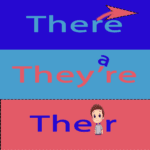
Stop second-guessing your spelling. While ‘their,’ ‘there,’ and ‘they’re’ sound identical, using the wrong one…


